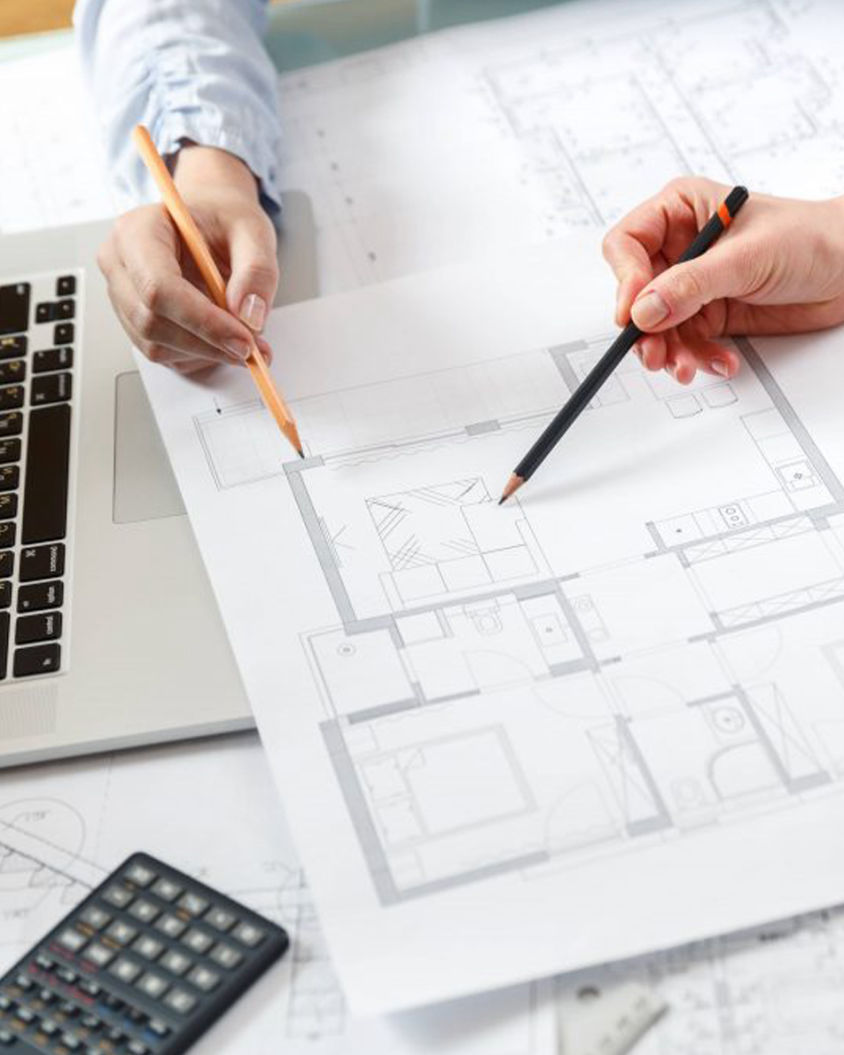
One of the most critical elements that determines the success or failure of both residential and commercial spaces is Space Planning. It goes far beyond simply arranging furniture or selecting finishes—it is the strategic organization of a space to ensure it functions efficiently while reflecting the lifestyle or purpose of the user. Effective space planning brings harmony to a space, optimizing both its function and aesthetics. When done well, it creates a seamless flow that enhances the experience of the space, whether it’s a home, office, or retail environment.
In the context of interior design, Space Planning is a foundational element that defines how your daily life unfolds within a space. It’s about much more than arranging furniture aesthetically; it’s about creating a layout that facilitates ease of movement, promotes comfort, and enhances the overall usability of a space. Without this thoughtful approach, even the most beautiful design can feel impractical, uncomfortable, or disjointed.
Space planning is about anticipating how individuals interact with their environment and tailoring the design to improve that experience. For example, in a home, the flow from the kitchen to the dining area should feel intuitive, while in an office, creating zones for collaboration and privacy can significantly impact productivity and well-being. It’s about crafting a narrative through the physical environment, where every corner serves a purpose and every transition feels natural.
Ultimately, good design and architecture can look stunning, but without the strategic underpinnings of effective space planning, it risks being an empty shell—beautiful, but not functional. As we like to say, there is no true beauty without substance. The best spaces are the ones that marry aesthetic appeal with thoughtful functionality, allowing people to live, work, and interact seamlessly. Space planning ensures that the beauty of a space is not only skin-deep but is experienced in its most profound and practical sense.
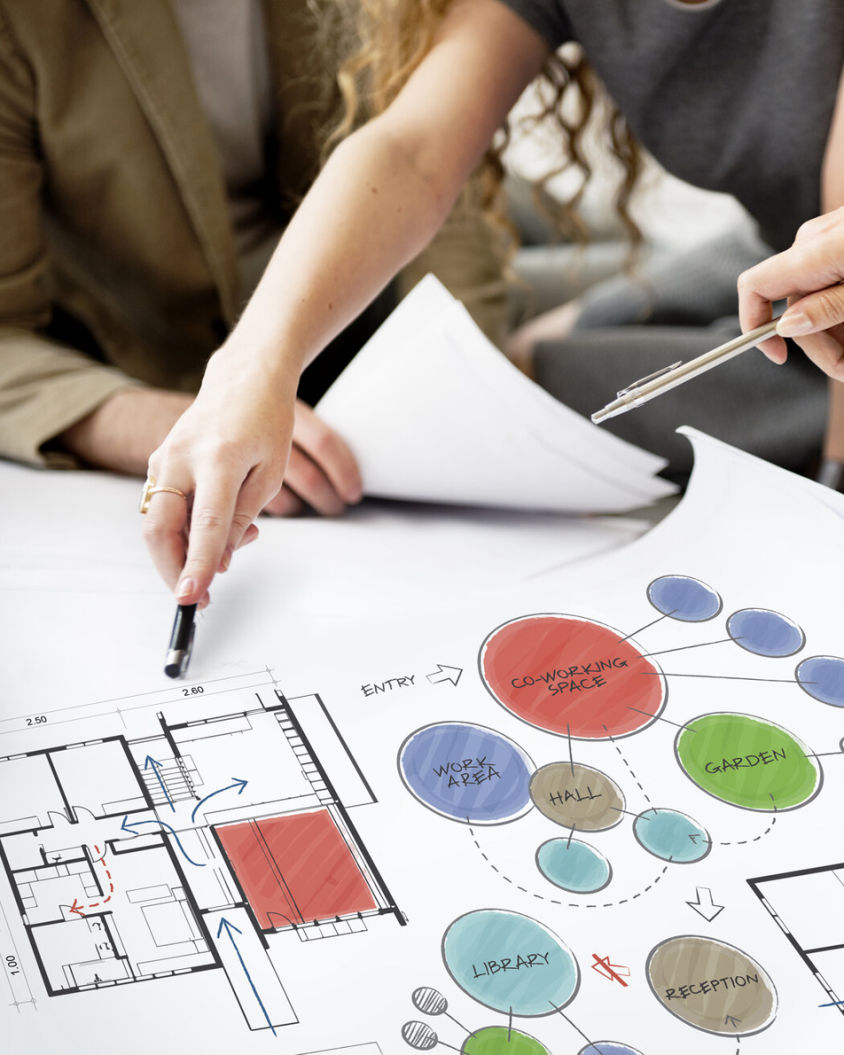
Space Planning is a fundamental aspect of interior design and architecture, playing a crucial role in the successful design and functionality of any space. It involves the strategic organization and arrangement of interior components—such as furniture, walls, partitions, and doors—to make the best possible use of available physical space. The goal is not just to fill a space with furniture, but to carefully plan how each area serves its intended purpose.
Effective Space Planning encompasses a variety of elements, each contributing to the overall functionality and comfort of a space. This includes determining the minimum space required for specific activities, ensuring barrier-free design that accommodates all users, and considering essential aspects like lighting levels, ventilation, and temperature control. A key focus is also ergonomics, ensuring that the space is not only functional but also comfortable for those who interact with it on a daily basis.
At Verity Luxe Design, we pride ourselves on creating spaces that feel both dynamic and intentional. This technique infuses the layout with energy and freshness, making every room feel both modern and inviting. Lighting plays a crucial role in shaping the ambiance of our designs. Depending on the function of the space, we tailor the lighting to suit its purpose—whether it's maximizing natural daylight in a vibrant office environment or using softer, more subdued lighting to create a tranquil, relaxing atmosphere in residential spaces.
In addition, our ability to custom-design furniture allows us to ensure that every piece not only complements the overall aesthetic but also serves the specific needs of each space. By crafting furniture tailored to the exact dimensions and style of the room, we achieve a seamless and functional integration that enhances both form and function.
At Verity Luxe Design, we believe every space should reflect the unique personality and vision of its owner. Our team is dedicated to crafting bespoke interiors that blend luxury, functionality, and artistry.